Chapters Overview
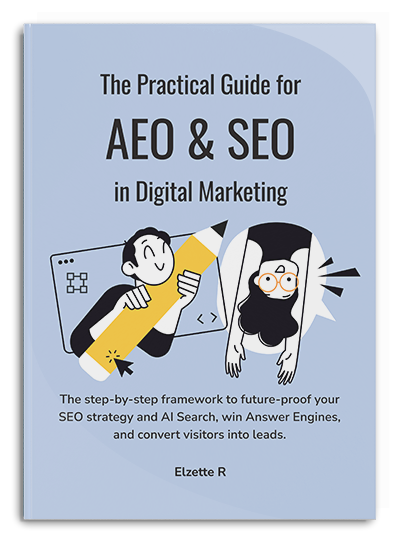
The step-by-step framework to future-proof your SEO strategy and AI Search, win Answer Engines, and convert visitors into leads.
Chapter 1: SEO Foundations: Understanding How Search Works
Most marketers pick up SEO in scattered fragments, a tip from a webinar, a tactic from a coworker. This chapter replaces the patchwork with one clear, working model of how search actually decides what to show.
Chapter 2: The Search Revolution: Why the Rules Are Changing
Your organic traffic isn't slipping because your work got worse, the ground moved beneath it. Here's what actually changed in search, and why the old playbook stopped paying out.
Chapter 3: AEO Explained: What It Actually Means and Why It Matters
AEO gets thrown around as though everyone agreed on a definition years ago. They didn't. This chapter gives you a clear one, and shows why it matters now.
Chapter 4: How AI Search Engines Think
You don't need an engineering background to influence AI answers, but you do need to know how they are assembled. This chapter opens the hood without the jargon.
Chapter 5: Modern Keyword Research for Human and AI Search
Keyword research used to be a contained craft: pull a list, sort by volume, pick the winners. AI added new layers on top of the fundamentals, and this chapter shows you how to work them.
Chapter 6: Creating Content That AI Wants to Cite
Polishing your prose harder won't get you cited. This chapter breaks down the structural traits that actually decide whether an AI quotes you or skips straight past.
Chapter 7: Structured Data and Technical Foundations
Schema markup sounds technical enough to quietly avoid, yet it's the difference between hoping AI understands your page and telling it. Here's the small set of schema types that does most of the work.
Chapter 8: Building Brand Authority for AI Visibility
AI describes your brand from signals scattered across the whole web, not just your own site. This chapter shows you how to make those signals strong, consistent, and credible.
Chapter 9: Converting Visibility Into Leads
Visibility means nothing if it never turns into pipeline. This chapter connects all the earlier work to the one number your boss actually cares about: leads.
Chapter 10: Your 30-Day Action Plan
Nine chapters of frameworks are a lot to hold in your head, and the obvious question is where to actually start. This is the part where it all becomes a simple, week-by-week plan sized for a real marketer with a real day job.
Links & Resource Collection
Every checklist, worksheet, and the SEO/AEO tool-evaluation matrix from the book, gathered in one place and ready to download so you can put the system to work the same day.
Buy paperback on Amazon